

THE FATAL FOUR
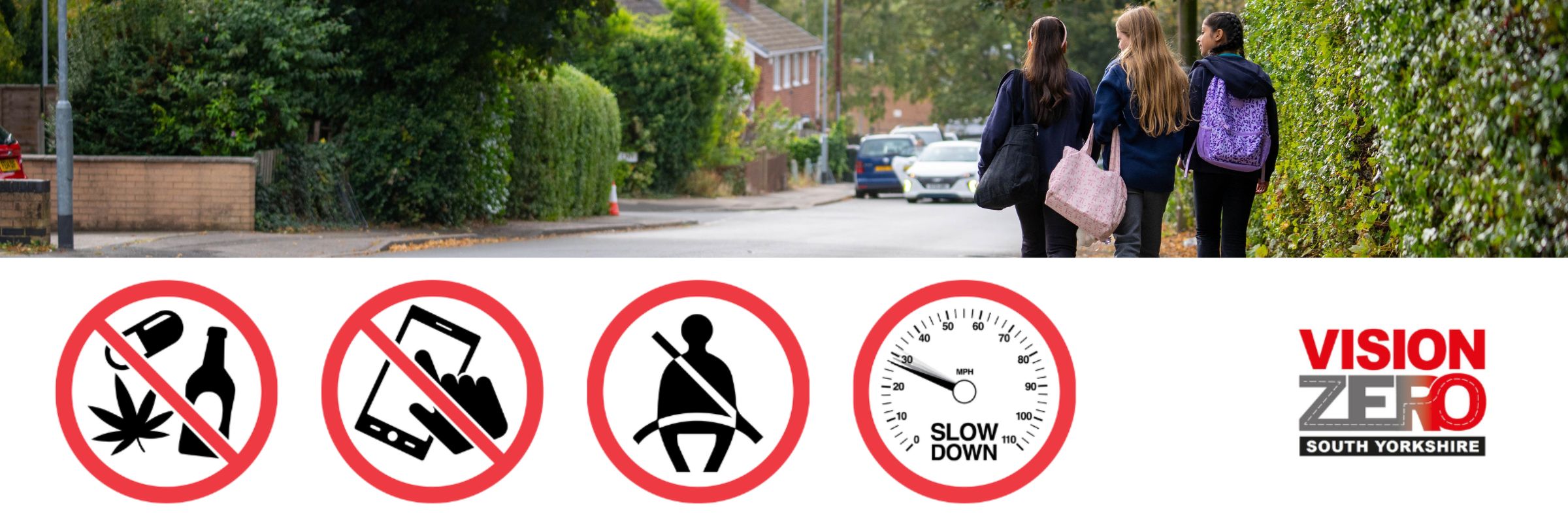
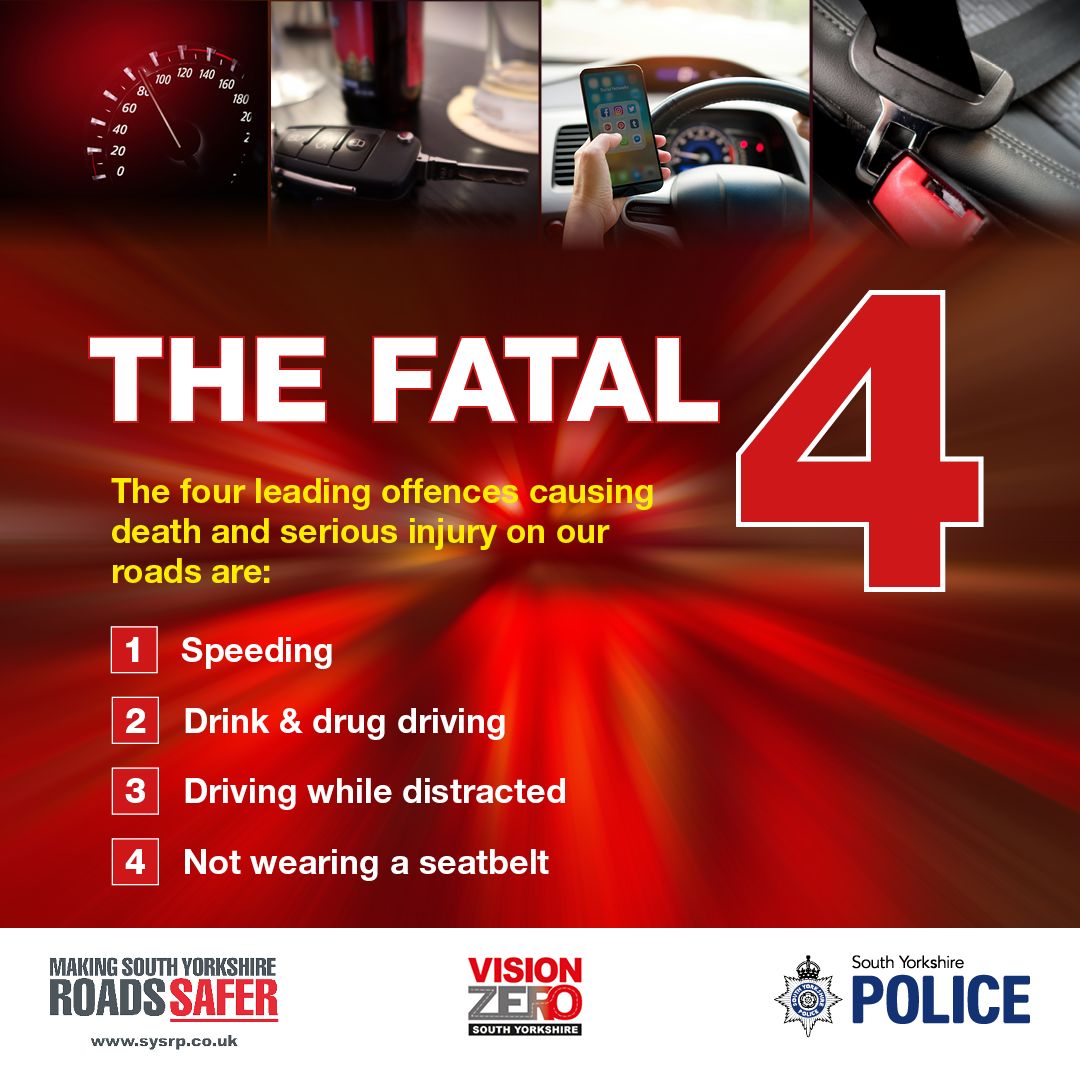
The term Fatal Four refers to speeding, driving under the influence of substances (alcohol or drugs), not wearing a seatbelt and mobile device use.
These four offences are prioritised by the police in the National Police Chiefs Council (NPCC) roads policing strategy.
The latest national figures show that 65% of all fatal collisions involve one of these four contributory factors. And of those, speed-related offences are the most common, involved in more than 56% of fatal crashes in 2023.
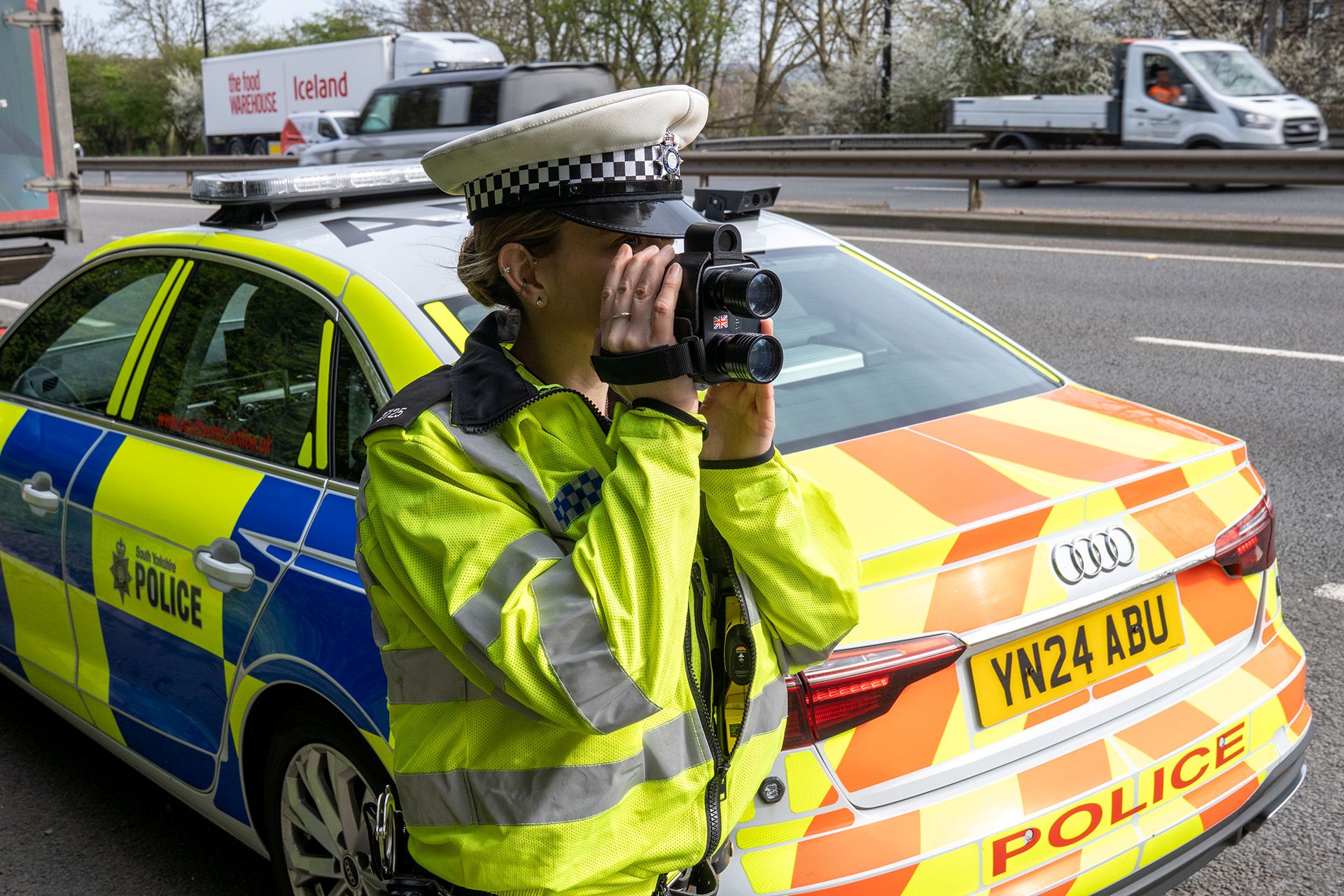
Speed
The relationship between speed and risk is clear: as speeds increase, the risk of death and serious injury also increases.
Slower speeds reduce harm and give drivers crucial extra seconds to react. Even small decreases in speed make a big difference in a crash.
Slower traffic also makes our streets more pleasant places to walk, wheel, and cycle.
There are proven benefits of having lower speeds on the network. A 1kph change in speed leads to roughly an 8% change in fatalities and a 6% change in injury collisions.
South Yorkshire residents have told us that speed makes them feel unsafe in their everyday lives – especially on local streets and near where they live.
Speed enforcement is about keeping people safe by making sure rules are followed and harmful behaviours are tackled. It’s not about catching people out or limiting freedom - it’s about protecting communities.
Our roads are shared spaces, used by people walking, cycling, driving and more. Road safety is about real places—outside schools, residential streets, crossings and bus stops, where feeling safe matters most.
Taking care, showing patience and giving space helps keep everyone safe.
- The minimum penalty for speeding is a £100 fine and 3 penalty points added to your licence.
Driving under the influence of drink or drugs
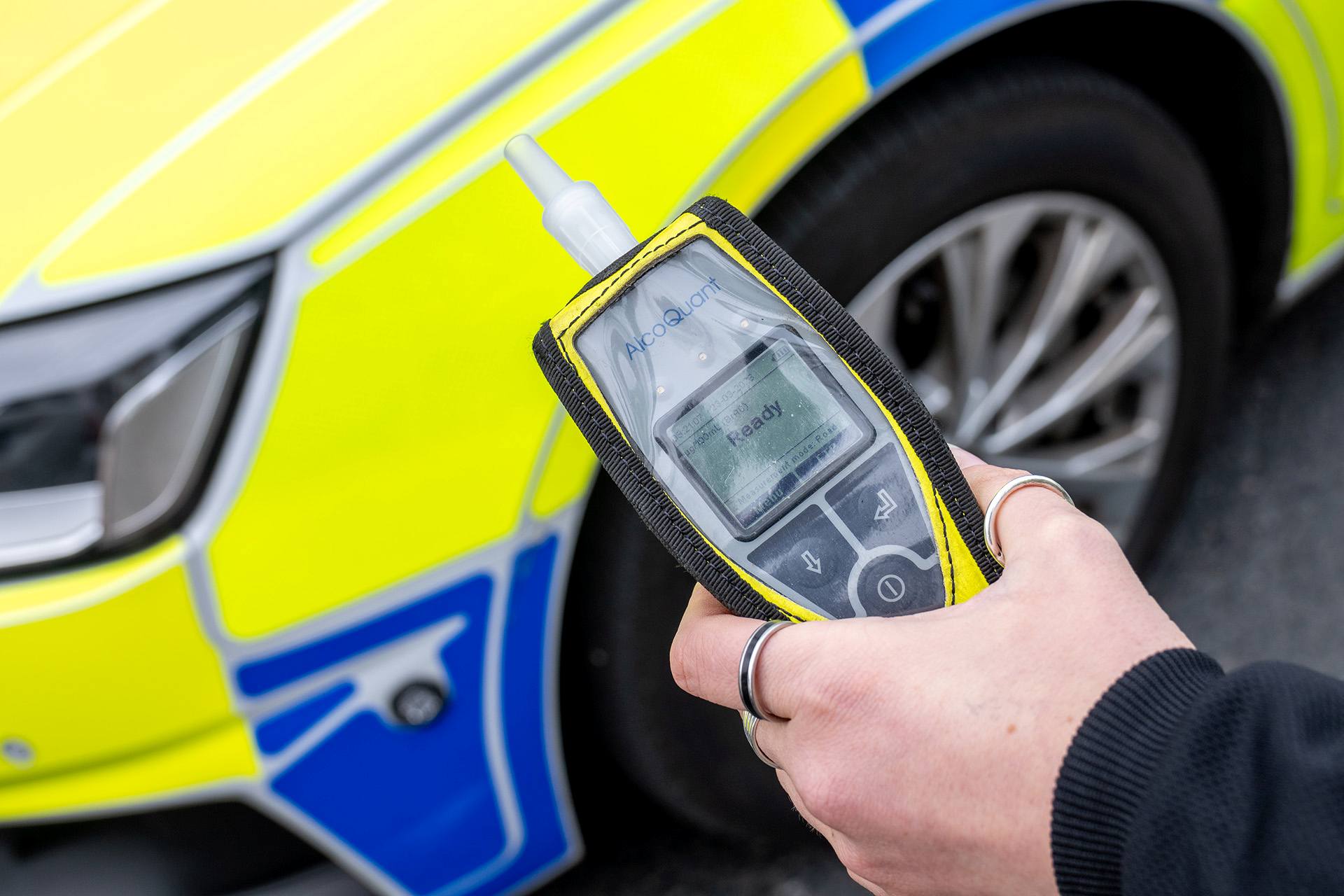
There is no safe limit for the amount of alcohol you can have before driving. There is also no way of knowing how long it will take for alcohol to be processed by your body.
Even a small amount of alcohol can affect your reaction times. Though there is a legal limit to how much alcohol can be in a person’s system before they can drive, it is impossible to say how many drinks or units it will take to reach it.
It is also possible to still be over the legal limit the following day. An average liver can process approximately one unit of alcohol per hour. This means that if someone drinks 12 units, it can take them roughly 13 hours to fully sober up.
If you are caught you may banned from driving, have points added on your licence, an unlimited fine, or even imprisonment. This will mean increased insurance costs, potential job loss and even restrictions on travel to other countries such as the United States.
In England, Wales and Northern Ireland the legal alcohol limit for drivers is:
- 35 microgrammes of alcohol per 100 millilitres of breath
- 80 milligrammes of alcohol in 100 millilitres of blood
- 107 milligrammes of alcohol per 100 millilitres of urine
You will not be able to drive anywhere in the UK if you have been banned by a UK court for drink driving.
More information about penalties for drink driving/riding is available on the HM government and South Yorkshire Police websites.
Not Wearing a Seatbelt
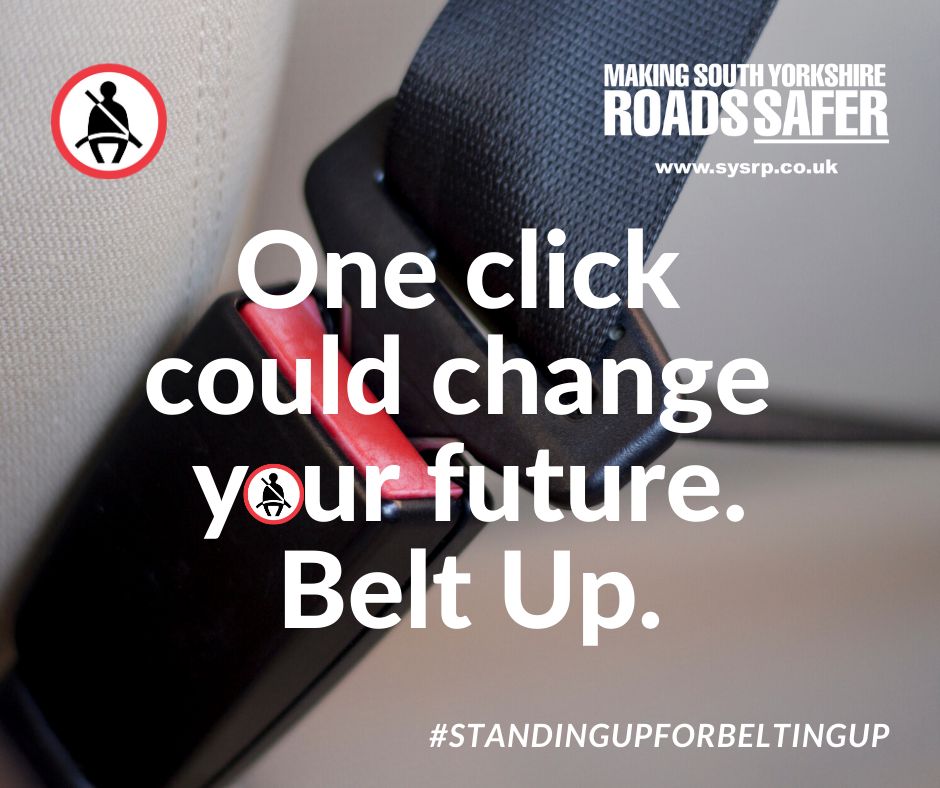
Not wearing a seatbelt is both dangerous and illegal. In a crash you're twice as likely to die if you are not wearing a seatbelt.
You should fasten your seatbelt before you start your engine. You must make sure that any children in the vehicle you’re driving are:
- in the correct car seat for their height or weight until they reach 135 centimetres tall or their 12th birthday, whichever is first
- wearing a seat belt if they’re 12 or 13 years old, or younger and over 135cm tall
You can be fined up to £500 if a child under 14 isn’t in the correct car seat or wearing a seatbelt while you’re driving. Children aged 14 or older are responsible for putting on their own seatbelts.
Not wearing a seatbelt can be a fatal decision even on short, familiar journeys and at low speeds.
Wear your seatbelt correctly so it can offer you the best possible protection in a crash.
Mobile Device Use
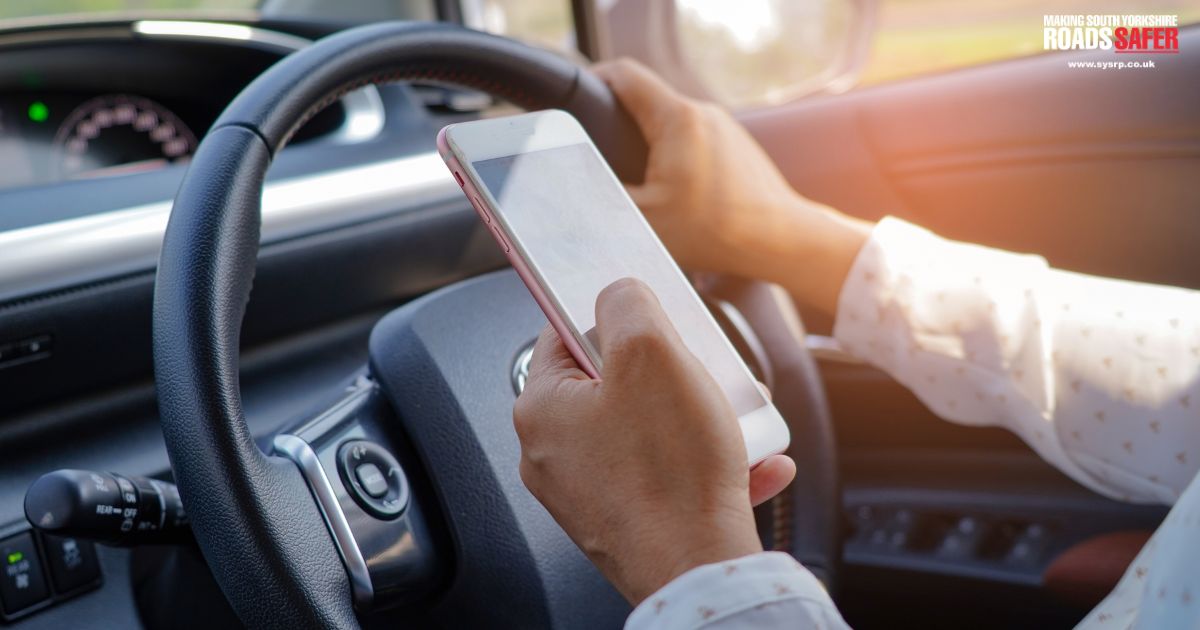
Using a handheld mobile phone when driving or riding is both dangerous and illegal.
Independent studies have shown that drivers who use mobile phones are slower at recognising and reacting to hazards, even at slower speeds.
At 30mph a vehicle will travel 13.5 metres (45ft) every second. Taking your eyes off the road to read a text or place a phone call means that you could miss someone stepping off the pavement in front of you or the car ahead braking suddenly.
It is illegal to use a handheld mobile phone while driving or riding for any purpose, including using the camera, following a map or checking social media. The law still applies when stopped at traffic lights or queuing in traffic.
It is also illegal to use a handheld mobile phone when supervising a learner driver.
You may only use a handheld mobile when you are safely parked, or if you need to call 999 or 112 in an emergency and it is unsafe or impractical to stop.
You can get six penalty points and a £200 fine if you use a handheld mobile phone. If you have passed your driving test in the last two years you will automatically lose your licence. You may also see an increase in vehicle insurance costs.
Hands-free
Using hands-free devices, such as a Bluetooth headset or voice-operated devices is legal, however the police can stop you if they have reason to believe you are distracted, and you may be prosecuted.
Find out more information about the guidelines and penalties for using a mobile phone while driving/riding.